Levels of Care — What to Expect

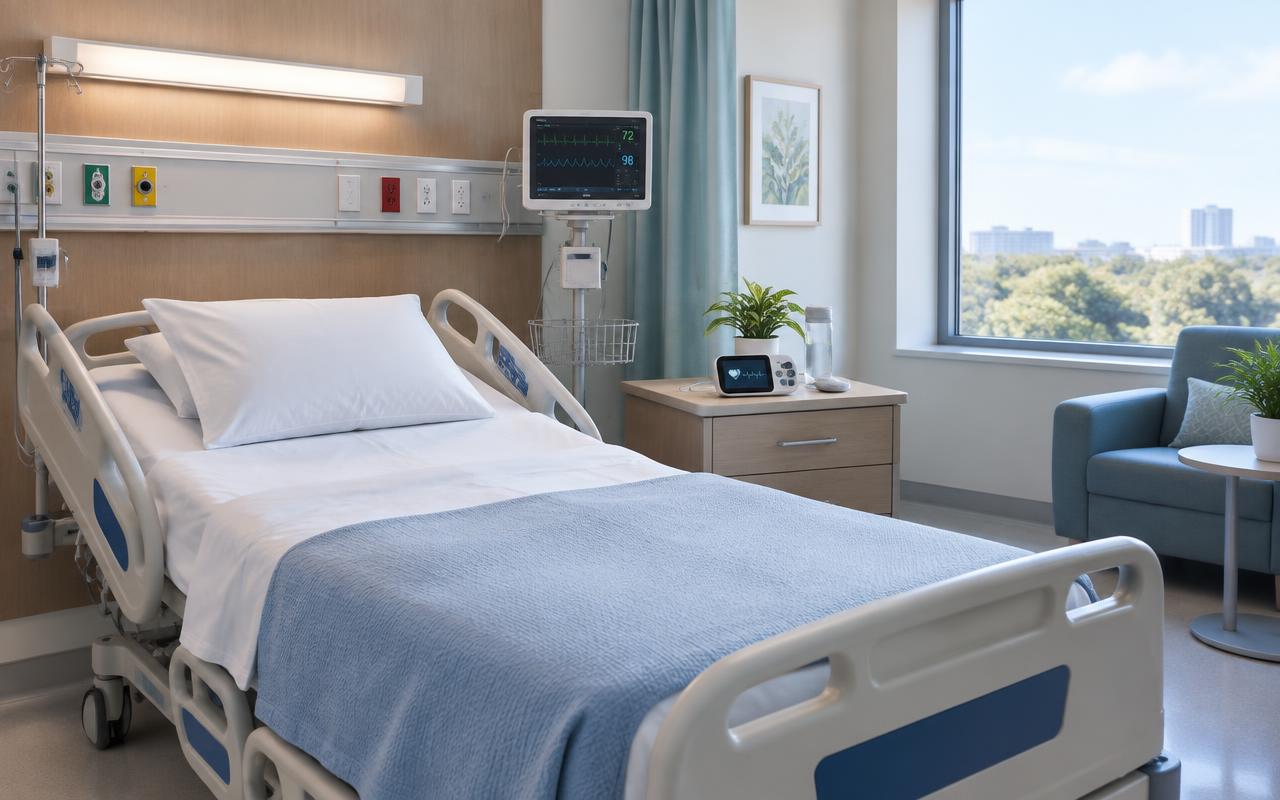
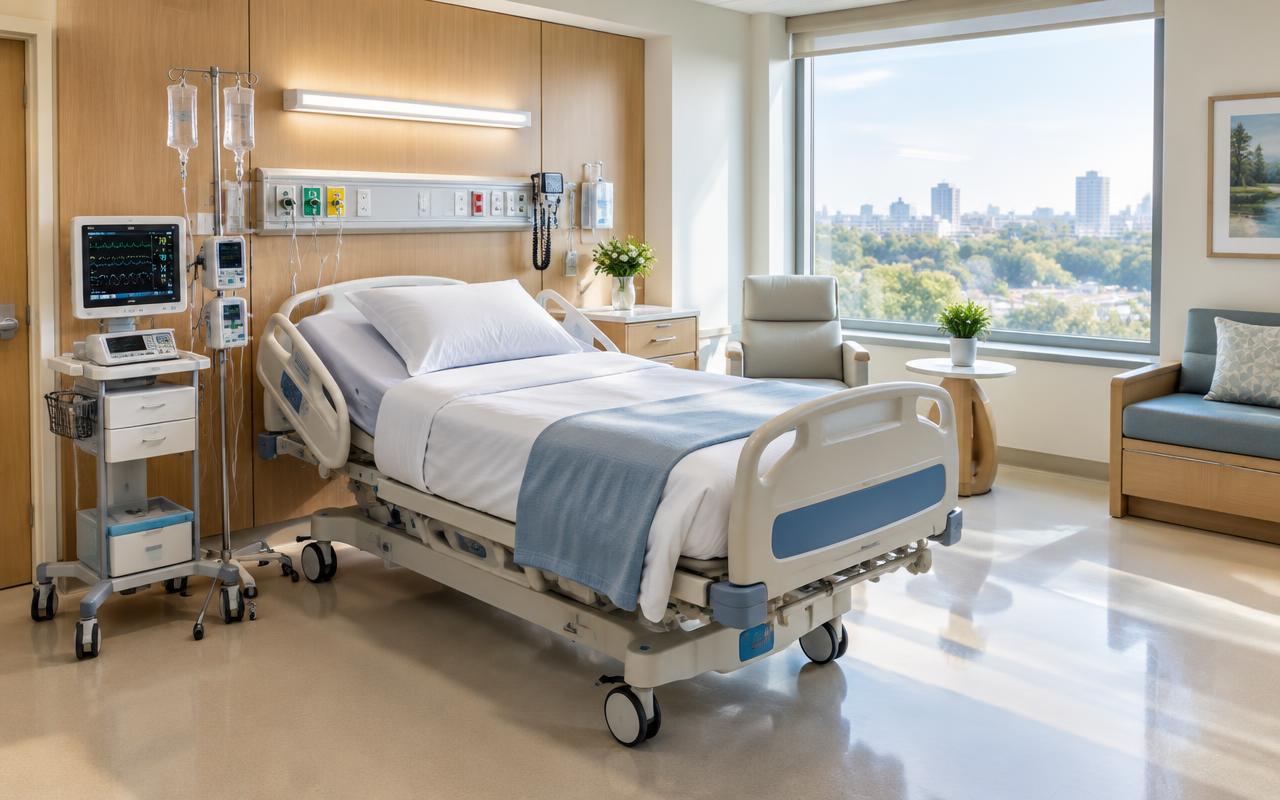
Hospitals have different levels of care depending on how closely a patient needs to be monitored and how much support they may need.

You may hear terms such as ICU, Step-Down, Telemetry, or Medical-Surgical (Med-Surg). Understanding these levels can help you and your family understand why you are in a particular unit and what may happen as your condition changes.

Your level of care can change during your hospital stay. You may move to a higher level if you need more monitoring or support, or to a lower level when your healthcare team determines that intensive monitoring is no longer needed.

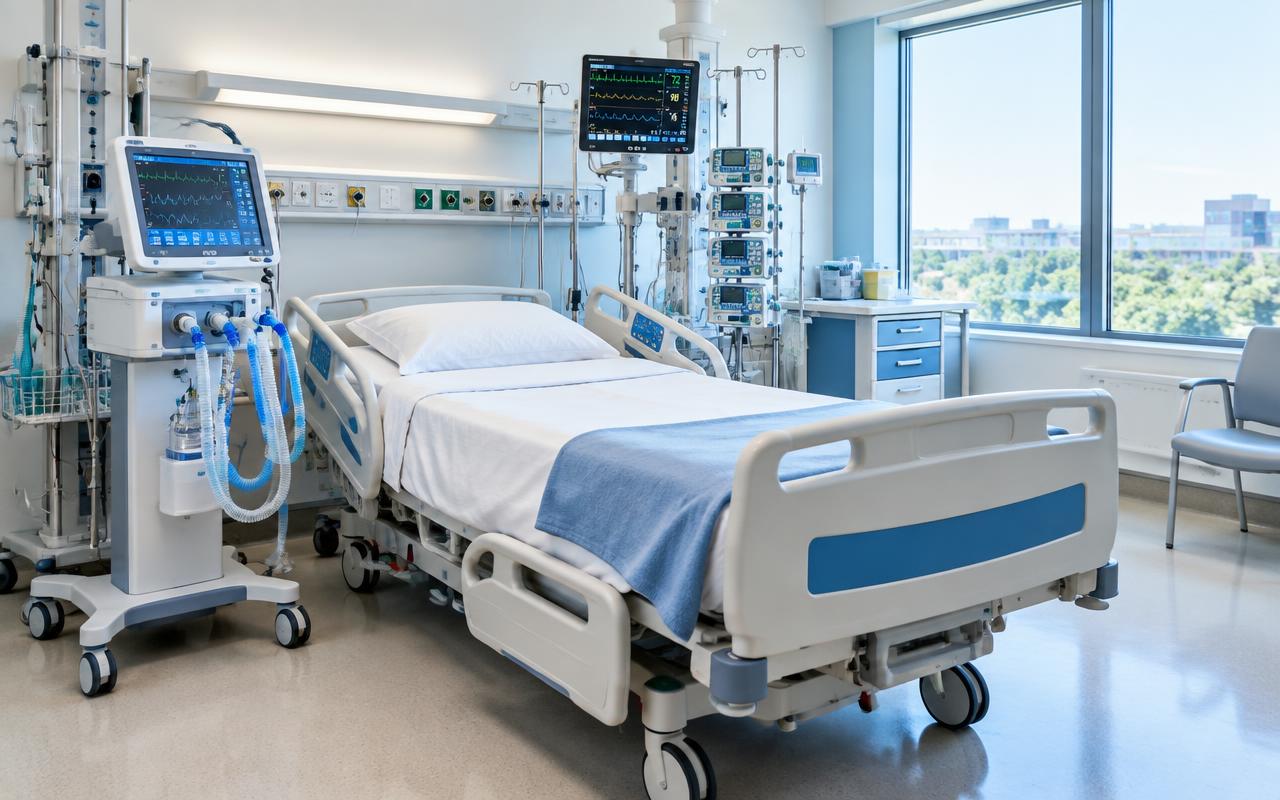
Modern intensive care unit room with monitoring and breathing equipment

What Does It Mean?

The ICU provides the highest level of monitoring and support available in many hospitals. Patients are cared for when they have a serious illness, injury, or condition that requires very close observation and specialized treatment.

What Might I Expect?

Your healthcare team may check you frequently and make adjustments to your treatment based on your condition.

  • Continuous heart and vital-sign monitors
  • IV pumps and specialized medications
  • Oxygen or breathing support
  • Specialized monitoring equipment

Nurse-to-patient assignments are often smaller in the ICU than on a regular hospital unit because patients may require more frequent assessment and care. Staffing can vary depending on the patient's condition and the hospital.

🗣️ Ask Your Healthcare Team

  • Why do I need ICU care?
  • What are you monitoring most closely?
  • What equipment is being used and what does it do?
  • What are the goals for my care today?
  • What would need to happen before I can leave the ICU?
Understanding Your Move Between Units

During a hospital stay, you may hear that you are being transferred, downgraded, or upgraded to another level of care.

These changes are based on your current condition and the amount of monitoring or support your healthcare team believes you need.

A move to a higher level may mean you need closer monitoring or additional support.

A move to a lower level may mean your healthcare team believes you can safely receive care with less intensive monitoring.

🗣️ One Question to Ask

“Why am I moving to this unit, what will be different, and what is the next step in my care?”