Phase 1: Foundation
Speciality units explained
Hospitals have different specialty units designed to care for patients with specific medical needs.
Being transferred to a specialty unit can feel unfamiliar. Understanding why you are there, who may care for you, and what you can expect can make the hospital experience a little easier.
A CCU is a specialized unit for patients who need closer monitoring and treatment for certain heart-related conditions.

Why Might I Be Here?
You may be cared for in a CCU after a heart attack, a serious heart rhythm problem, worsening heart failure, or certain heart procedures.
What Might I Expect?
You may be connected to monitors that continuously watch your heart rhythm and may also monitor your blood pressure and oxygen level.
Your healthcare team may give medications, treat chest discomfort, monitor your heart closely, and help you recover after a heart procedure.
Depending on your condition, activity may initially be limited while your heart is being monitored.
Your care team may include cardiologists, nurses, and other healthcare professionals with experience in cardiac care.
🗣️ Ask Your Healthcare Team
- Why do I need to be in the CCU?
- What are my heart monitors showing?
- What tests or treatments am I receiving?
- What should I report right away?
- When might I be ready to move to another unit?
CCU — Cardiac/Coronary Care Unit
A CCU is a specialized unit for patients who need closer monitoring and treatment for certain heart-related conditions.
Why Might I Be Here?
You may be cared for in a CCU after a heart attack, a serious heart rhythm problem, worsening heart failure, or certain heart procedures.
What Might I Expect?
You may be connected to monitors that continuously watch your heart rhythm and may also monitor your blood pressure and oxygen level.
Your healthcare team may give medications, treat chest discomfort, monitor your heart closely, and help you recover after a heart procedure.
Depending on your condition, activity may initially be limited while your heart is being monitored.
Your care team may include cardiologists, nurses, and other healthcare professionals with experience in cardiac care.
🗣️ Ask Your Healthcare Team
- Why do I need to be in the CCU?
- What are my heart monitors showing?
- What tests or treatments am I receiving?
- What should I report right away?
- When might I be ready to move to another unit?
Orthopedic Unit
An orthopedic unit cares for patients with conditions or injuries involving the bones, joints, muscles, ligaments, and tendons.

Why Might I Be Here?
You may be here after a hip or knee replacement, fracture repair, back surgery, or another orthopedic procedure.
What Might I Expect?
Your nurses may help with pain management, wound care, medications, and getting you moving safely.
Physical therapists may help you walk, strengthen your muscles, and learn how to use equipment such as a walker or crutches.
Occupational therapists may help you practice everyday activities such as dressing, bathing, and getting safely in and out of bed.
You may also have special equipment such as braces, support pillows, or ice therapy.
Before going home, your team may teach you how to protect your surgical site or injury and continue your recovery safely.
🗣️ Ask Your Healthcare Team
- When can I safely get out of bed?
- How much weight can I put on my leg?
- What exercises should I be doing?
- Do I need a walker or other equipment?
- What should I know before going home?
Stroke Unit
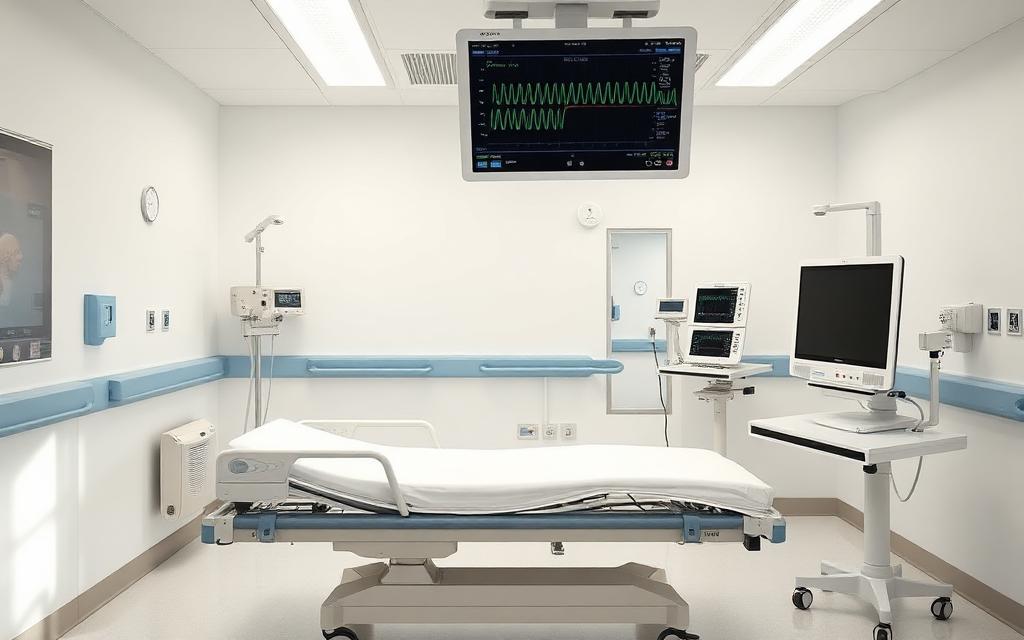
A stroke unit specializes in caring for patients who have experienced a stroke or who need close monitoring because of a neurological condition.
Why Might I Be Here?
A stroke occurs when blood flow to part of the brain is interrupted or when bleeding occurs in the brain.
The goal of a stroke unit is to monitor your condition, support recovery, identify the cause of the stroke, and help reduce the risk of another stroke.
What Might I Expect?
You may have brain scans, blood tests, swallowing assessments, and frequent neurological checks.
Your nurse may ask you to smile, answer questions, follow commands, move your arms or legs, or squeeze their hands. These checks help the team monitor changes in your neurological function.
Physical, occupational, and speech therapists may become part of your care team.
Speech therapy may help with communication or swallowing, while physical and occupational therapy can help you regain movement and independence.
🗣️ Ask Your Healthcare Team
- What type of stroke did I have?
- What did my brain scan show?
- What caused the stroke?
- What therapies will I receive?
- What is my goal for today?
- What can I do to help with my recovery?
Neuro ICU — Neurological Intensive Care Unit
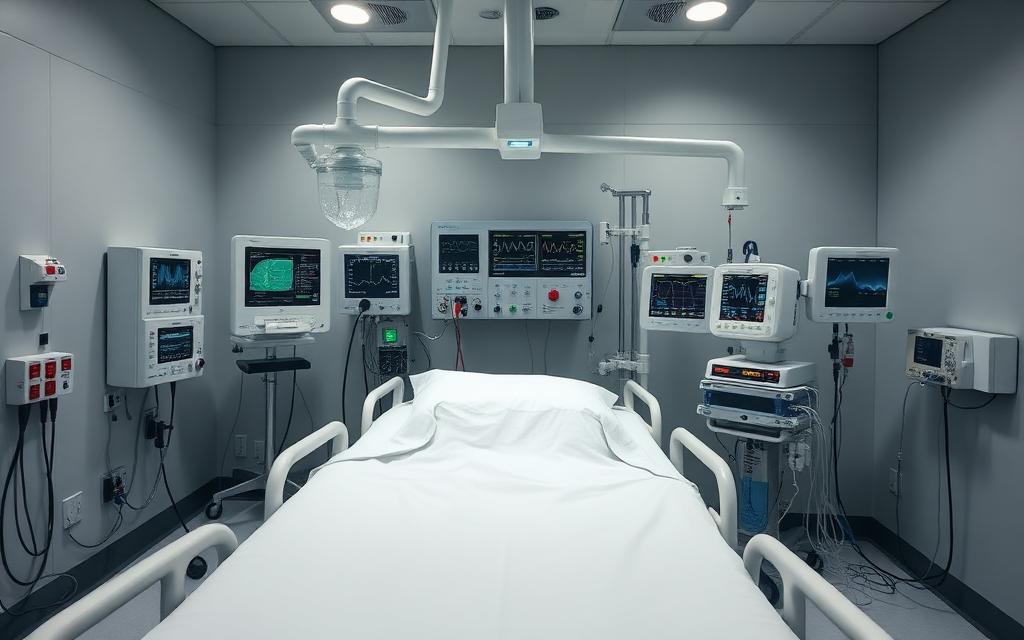
The Neuro ICU is an intensive care unit for patients with serious conditions involving the brain, spinal cord, or nervous system.
Why Might I Be Here?
Patients may be admitted after a serious brain injury, brain surgery, brain bleed, severe seizures, or another condition requiring very close neurological monitoring.
What Might I Expect?
Your healthcare team may frequently check your level of alertness, movement, pupils, speech, and other neurological functions.
You may see specialized monitors and equipment. Some patients may need a breathing machine or other forms of intensive support.
The environment may be quieter and more controlled because rest and careful monitoring can be important.
Family meetings may be used to help explain test results, changes in condition, and the plan moving forward.
🗣️ Ask Your Healthcare Team
- Why do I need the Neuro ICU?
- What are you monitoring most closely?
- What did my brain scan show?
- What changes are you watching for?
- What is the next step in my care?
Pediatric Unit
A pediatric unit provides specialized hospital care for babies, children, and teenagers.

What Is Different About Pediatric Care?
Children are not simply treated as small adults. Their medications, equipment, communication, and care are adapted to their age, size, and developmental needs.
Parents or caregivers are often an important part of the care team.
Child life specialists may help children understand procedures and cope with fear or anxiety.
You may also see play areas, games, activities, or educational support depending on the hospital.
🗣️ Ask Your Healthcare Team
- How can I help my child feel comfortable?
- Can I stay with my child during this procedure?
- What should I watch for?
- How can I help with my child's recovery?
- Who can explain a procedure to my child?
Maternity Unit
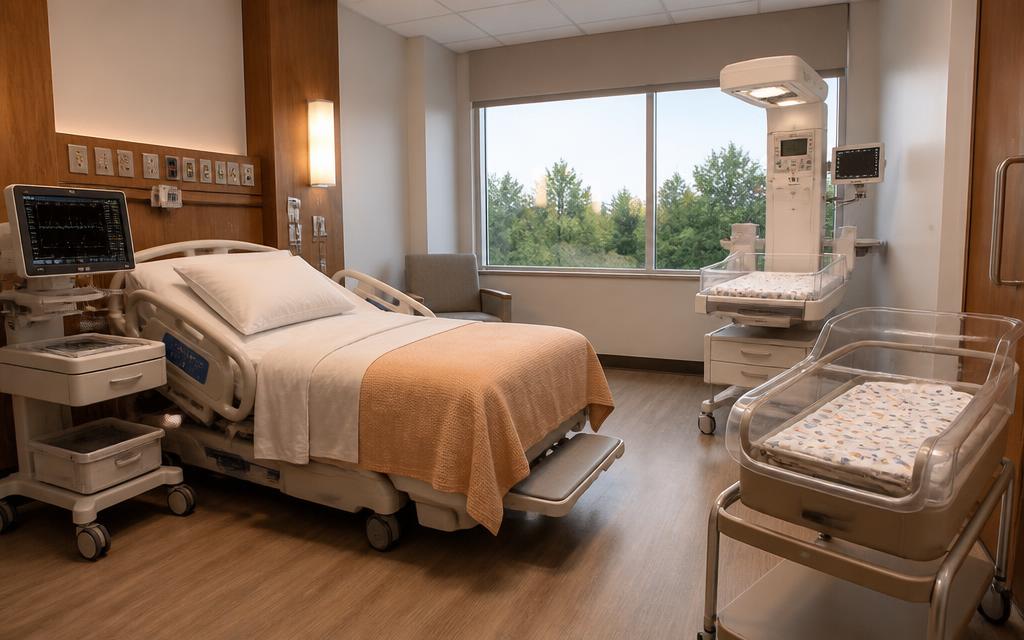
A maternity unit provides care during pregnancy, labor, delivery, and recovery after birth.
What Might I Expect?
Depending on your hospital, you may move through different areas for labor and delivery, recovery, and postpartum care.
Your care team may include nurses, obstetricians, midwives, lactation consultants, and other specialists.
The team monitors both the mother and baby and provides support with labor, pain management, feeding, recovery, and newborn care.
If a cesarean birth is needed, the delivery may take place in an operating room.
🗣️ Ask Your Healthcare Team
- What should I expect during labor?
- What pain-management options are available?
- Who can be with me?
- What should I know about recovery?
- Who can help me with breastfeeding or feeding?
- When might we be ready to go home?
NICU — Neonatal Intensive Care Unit
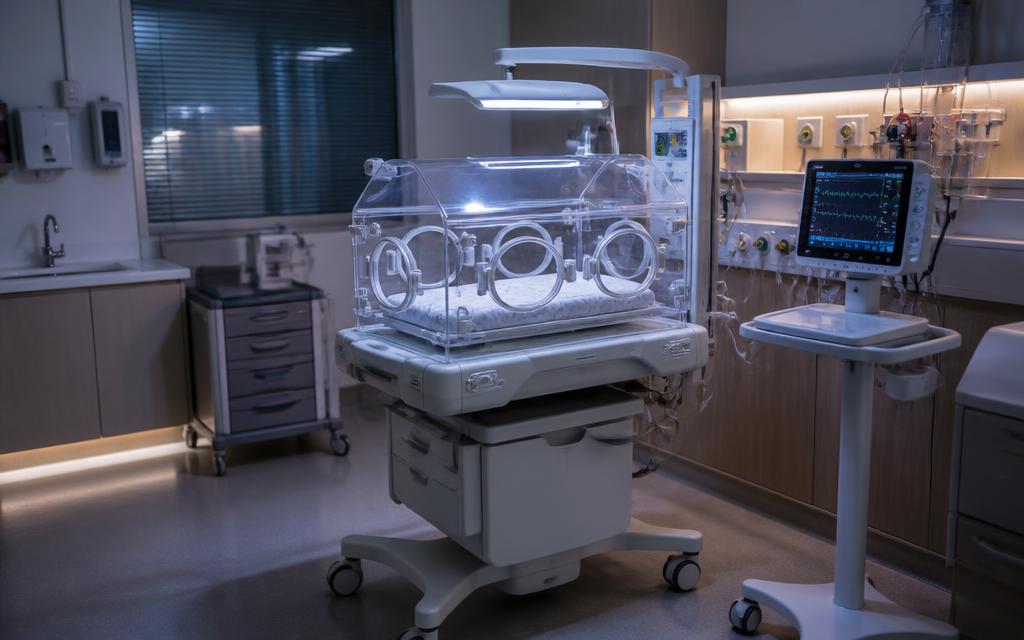
The NICU is a specialized intensive care unit for newborns who need extra monitoring or medical support.
Why Might a Baby Be in the NICU?
A baby may need NICU care because they were born prematurely, have difficulty breathing or feeding, need help maintaining body temperature, or have another medical condition requiring close monitoring.
What Might I See?
You may see incubators, warmers, monitors, IVs, feeding tubes, oxygen equipment, and other specialized equipment.
These devices can look overwhelming at first, but each piece of equipment has a specific purpose.
The NICU team may include neonatologists, specialized nurses, respiratory therapists, lactation consultants, and other specialists.
Parents are encouraged to participate in their baby's care when it is medically appropriate.
🗣️ Ask Your Healthcare Team
- What does each piece of equipment do?
- What are my baby's goals for today?
- When can I hold or touch my baby?
- How can I participate in my baby's care?
- What needs to happen before my baby can go home?
OR — Operating Room
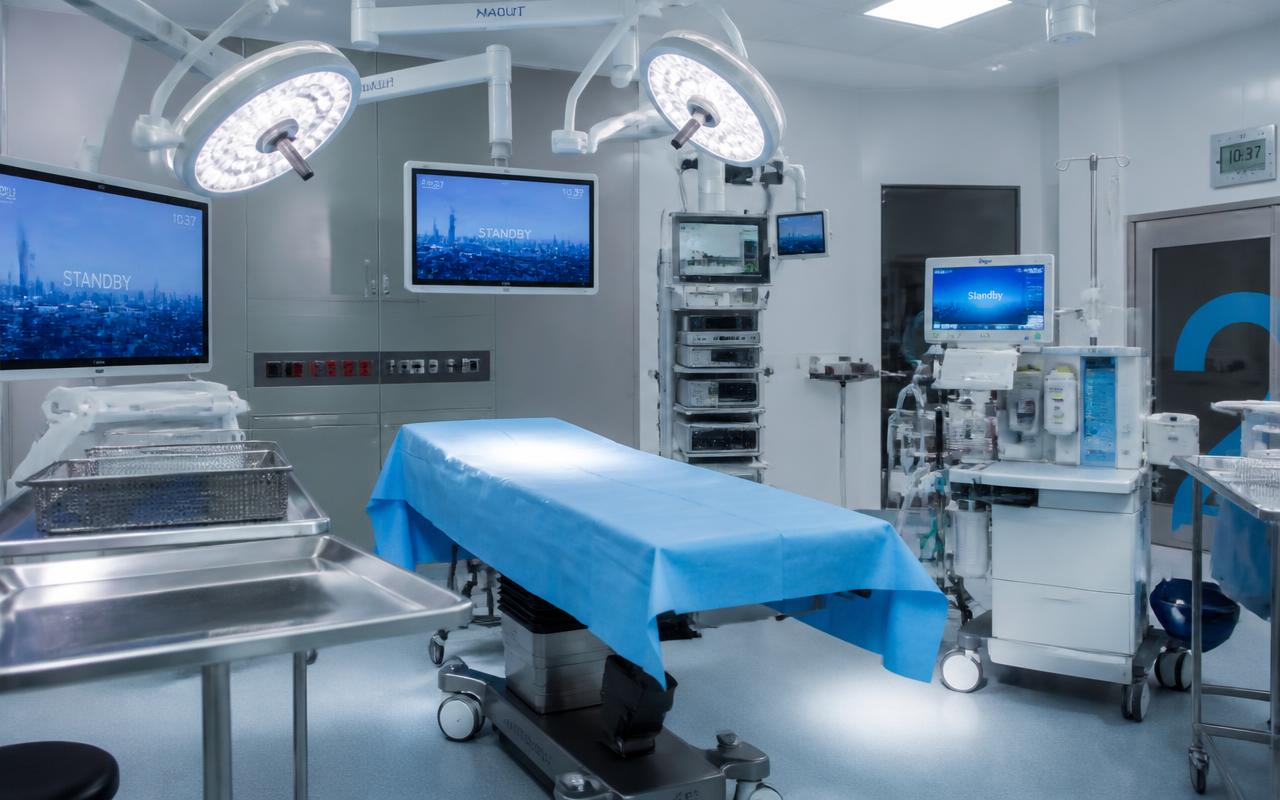
The Operating Room, or OR, is a specially controlled area where surgeries and certain procedures take place.
Who Might Be in the OR?
Your surgical team may include:
- Surgeon
- Anesthesiologist or nurse anesthetist
- Circulating nurse
- Surgical technologist
- Surgical assistants or other team members
What Happens Before Surgery?
Before going into the OR, you may spend time in a preoperative area.
Your team may review your medical history, medications, allergies, procedure, and consent. An IV may be placed, and the surgical site may be identified according to the procedure.
You may be asked your name, date of birth, and what procedure you are having more than once.
This repetition is an important safety check.
What Happens in the OR?
The room may be bright, cool, and filled with specialized equipment and monitors.
Depending on your procedure, you may receive general anesthesia, regional anesthesia, a nerve block, sedation, or another type of anesthesia.
Before surgery begins, the team performs a time-out to confirm important details such as the patient's identity, procedure, and surgical site.
🗣️ Ask Before Surgery
- What type of anesthesia will I receive?
- How long is the procedure expected to take?
- Where will my family wait?
- Who will update my family?
- What should I expect when I wake up?
PACU — Post-Anesthesia Care Unit
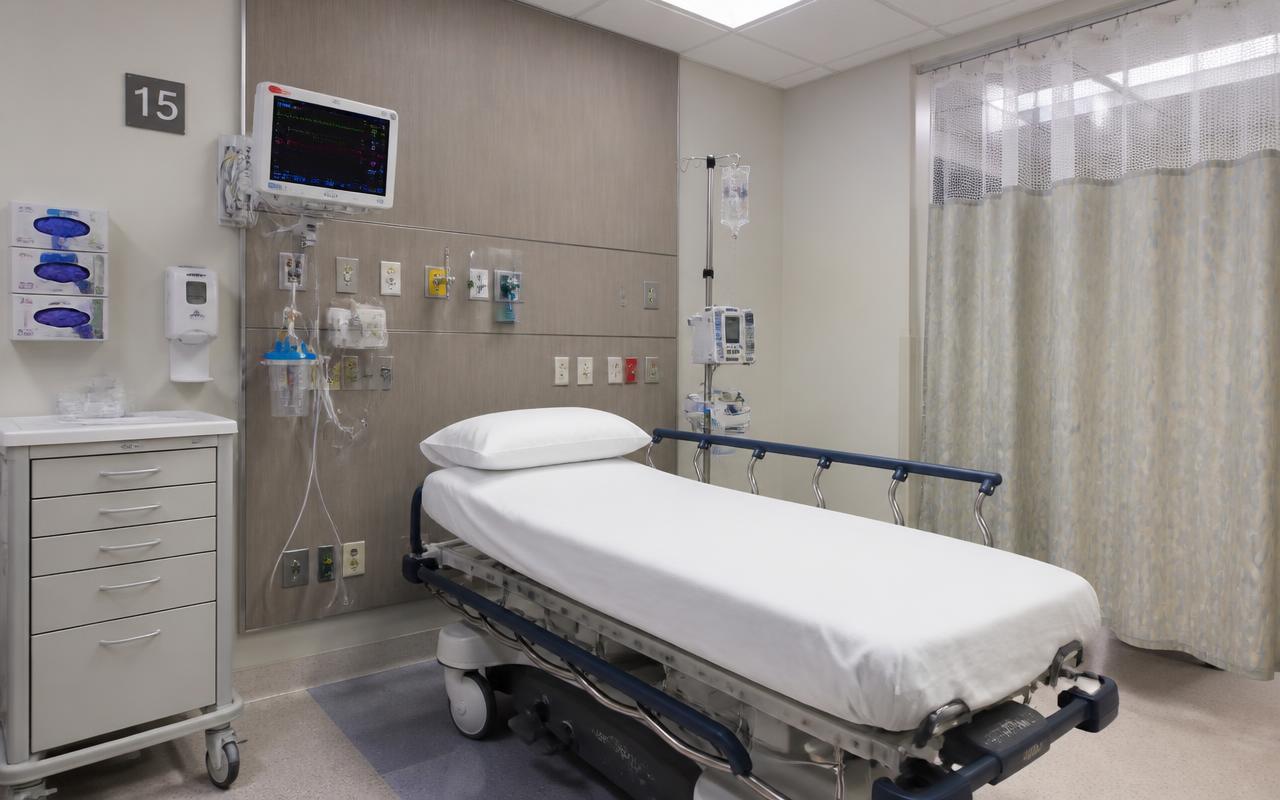
The PACU, often called the recovery room, is where patients are monitored after surgery or a procedure involving anesthesia.
What Happens in the PACU?
Your nurses will closely monitor things such as your breathing, blood pressure, heart rate, oxygen level, pain, and level of alertness.
You may feel sleepy, cold, shaky, confused, or nauseated while the anesthesia wears off. Some patients may also have a sore throat if a breathing tube was used during anesthesia.
Your nurse can help manage pain, nausea, and other symptoms.
Where Do I Go Next?
Depending on your procedure and condition, you may:
- Go home after recovery if you had an outpatient procedure.
- Transfer to a hospital unit for continued care.
- Remain in a higher level of care if additional monitoring is needed.
🗣️ Ask Your PACU Nurse
- How did my procedure go?
- What should I expect when the anesthesia wears off?
- What is my pain-management plan?
- Where am I going next?
- When can my family see me?
🗣️ One Question to Remember
If you are transferred to a specialty unit and aren't sure what to expect, start with:
"Why am I here, what will you be monitoring, and what should I expect next?"
Every unit is part of your care team
Whether you are in a cardiac unit, a pediatric unit, or a NICU, the goal is the same: to give you or your loved one the right level of specialized care. Don't hesitate to ask what the unit does and how it fits into the overall plan.
Read about levels of care